Your first date in years: what's changed and what hasn't
The last time you did this, you met through friends and called a landline. Some things about dating really have changed since then. The part that matters most, sitting across from a stranger and talking, hasn't.
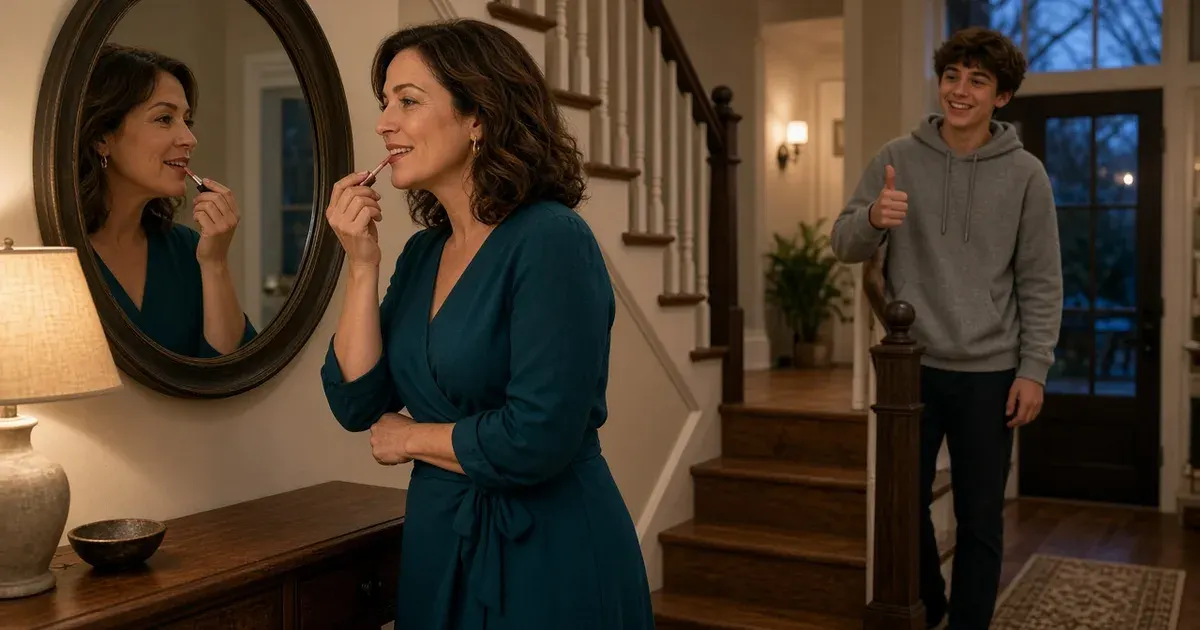
The nerves are normal. You haven’t done this since before smartphones, or since before the kids, or since the person you married was the person you were dating. Of course it feels foreign.
Here’s a plain account of what’s different now, and what you can rely on.
What changed
How people meet. A nationally representative survey found that by around 2013, meeting online had overtaken meeting through friends as the most common way heterosexual couples in the U.S. got together.2 If your last relationship started at a party, through a coworker or via a friend’s setup, the route in has shifted.
How many people your age use apps. In Pew’s July 2022 survey, 37% of adults aged 30 to 49 said they had ever used a dating site or app.1 So if you’re on one, plenty of the people you’ll meet are new to it as well, or coming back after a long gap.
Caution is part of it now. About half of online dating users in that same survey thought they had come across a scammer.1 Meeting somewhere public, telling a friend where you’ll be and keeping money out of early conversations are now standard, not paranoid.
What hasn’t changed
The date itself. Two people, a table, a drink or a walk, and the question of whether there’s something there.
And people are still, mostly, glad to be talked to. In a set of experiments on trains and buses, commuters who were asked to start a conversation with a stranger reported a better journey than those told to stay quiet. Others predicted the reverse, mostly because they underestimated how interested strangers would be in talking.3 Your date has likely spent the afternoon worrying about the same things you have.
Before you go
- Keep the first one short. Coffee or one drink. You can always extend a good hour; a bad three-course dinner is long.
- Have a short version of your story. Divorced, widowed, a long relationship that ended: two calm sentences is plenty for now.
- Decide your exit in advance. “I’ve got an early start tomorrow” is a fine and honest line.
- Lower the bar. The goal of a first date in years isn’t to find a partner. It’s to remember how this feels.
During
Small talk is where most first dates stall. Research on closeness shows that conversations which gradually move from light to a little more personal build closeness faster than staying on safe surface topics.4 You don’t need a list of deep questions. Just let one answer lead to a slightly more real follow-up: from “what do you do” to “what do you actually like about it.”
After
You might feel flat, wired or oddly sad, even if it went fine. That’s often the old relationship surfacing, not a verdict on this one. If the date itself was underwhelming, no spark on the first date is worth reading before you rule anyone out. And if you catch yourself replaying every sentence, there’s a piece on overthinking when you’re dating again.
People who talk about this
- Credentialed source
Bella DePaulo
Research and writing on single life, including people who choose to stay single and live full lives on their own terms.
- Credentialed source
Lori Gottlieb
What happens in the therapy room, including breakups, dating choices and the stories people tell about love.
- Credentialed source
Marisa G. Franco
Friendship, loneliness and belonging, and how adults make and keep close friends.
- Credentialed source
Pepper Schwartz
Research and writing on love, sex and relationships, including dating and partnership later in life.
Further reading
The Gottman Institute
12 Clear Signs You Are Ready to Date Again After a Breakup (opens gottman.com)A checklist for judging emotional readiness before you open the door to dating again.